Good Debt vs Bad Debt: How Debt Can Build Wealth
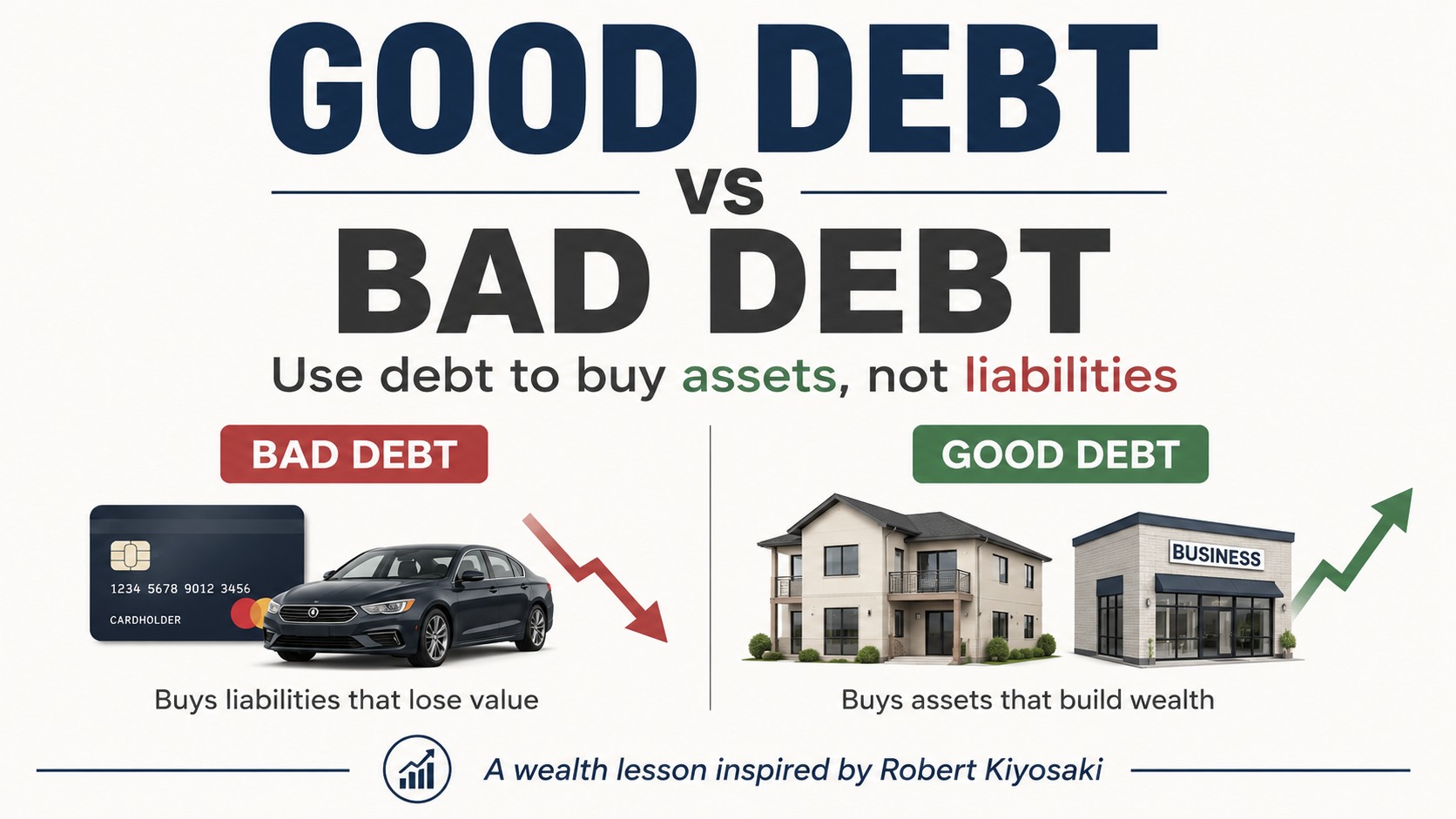
A Simple Wealth Lesson Inspired by Robert Kiyosaki
Most people are taught that all debt is bad.
Pay off the house. Cut up the credit cards.
Never borrow money. Stay debt-free.
That advice may protect people from making some costly mistakes.
But it does not tell the whole story.
Robert Kiyosaki (best-selling author of Rich Dad Poor Dad) teaches that there is a major difference between good debt vs bad debt.
Bad debt can make you poorer.
Carefully managed debt may help you buy something that produces income.
The truth is, debt is only a tool. A tool can help you build something. It can also cause serious damage.
What matters is how you use it.
The Problem: Most People Use Debt to Buy Things That Cost Them Money
Think about what many people borrow money to buy.
They borrow for:
Cars
Holidays
Furniture
Clothes
Credit-card purchases
Expensive personal items
These things may make life feel better for a while. But they normally do not produce income.
You must make the repayments. You must pay the interest.
You must cover the insurance, repairs, and other costs.
Money keeps leaving your pocket.
That is a simple example of bad debt.
Bad debt is normally connected to something that costs money or loses value.
It places pressure on your wages, your savings, or your business cash.
This is why understanding assets vs liabilities is so important.
An asset should provide a future benefit.
A liability creates a financial obligation.
An asset should create cash flow. It should put money into your pocket
A liability must be paid by you. It takes money from your pocket
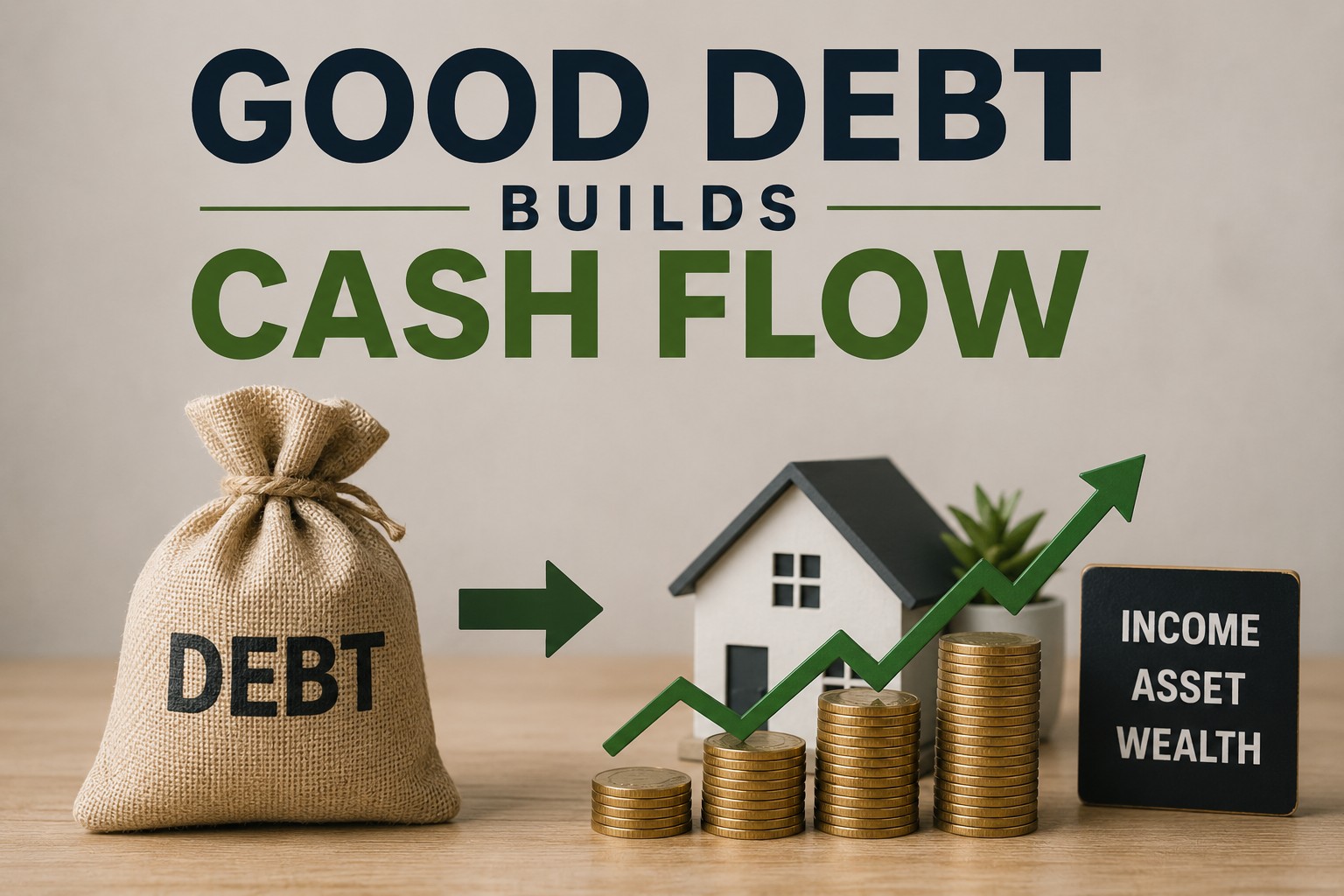
The Opportunity: Use Debt to Buy Something That Produces Cash
Financially educated people may look at debt differently.
Instead of using borrowed money to buy personal items, they may use debt to buy assets.
These assets could include:
Business equipment
Rental property
Commercial property
Machinery
A proven business
Equipment customers pay to use
Other income-producing assets
The goal is not simply to own more things.
The goal is to own something that produces cash.
That cash may then help pay:
The loan repayment
Interest
Repairs
Insurance
Running costs
Other business expenses
These are often called cash-flowing assets.
When the asset produces more cash than it consumes, it may help improve your financial position.
This is the basic idea behind how to use debt to build wealth.
But there is an important warning. The idea may sound simple. Making it work is not always simple.
A Simple Example of Good Debt vs Bad Debt
Imagine two people each borrow $50,000.
Person One Buys an Expensive Car
The first person buys a new luxury car.
The car looks impressive.
But every month, the person must pay for:
The loan
Fuel
Insurance
Registration
Servicing
Repairs
The car does not normally produce income.
It may also fall in value.
The owner is paying for the debt from personal income.
The debt is taking cash away.
Person Two Buys Business Equipment
The second person uses the $50,000 to buy equipment for a proven business.
Customers pay the business for the service produced by the equipment.
The customer income helps pay:
The equipment loan
Running costs
Repairs
Staff costs
Insurance
After all the costs are paid, there may still be money left over.
Both people borrowed $50,000. But they used the money differently.
One person borrowed to buy something that consumes cash.
The other person borrowed to buy something that may produce cash.
That is the heart of good debt vs bad debt.
Ask the Most Important Question
Before borrowing money, ask:
Who will really make the repayments?
Will you make the repayments from your wages?
Or will customers, tenants, or business income help make the repayments?
Robert Kiyosaki’s lesson is that wealthy people often try to make the asset help pay for the debt.
This is one form of asset leverage in business and investing.
Leverage means using borrowed money to control a larger asset or opportunity.
For example, a business may borrow money for a machine that allows it to serve more customers.
The machine may help produce more sales.
Those extra sales may help repay the loan.
But leverage works in both directions.
When things go well, it may increase your results.
When things go badly, it may increase your losses.
Borrowing to invest is considered a high-risk strategy because the loan and interest must still be repaid even when the asset falls in value or stops producing income.
Ask the Most Important Question
Before borrowing money, ask:
Who will really make the repayments?
Will you make the repayments from your wages?
Or will customers, tenants, or business income help make the repayments?
Robert Kiyosaki’s lesson is that wealthy people often try to make the asset help pay for the debt.
This is one form of asset leverage in business and investing.
Leverage means using borrowed money to control a larger asset or opportunity.
For example, a business may borrow money for a machine that allows it to serve more customers.
The machine may help produce more sales.
Those extra sales may help repay the loan.
But leverage works in both directions.
When things go well, it may increase your results.
When things go badly, it may increase your losses.
Borrowing to invest is considered a high-risk strategy because the loan and interest must still be repaid even when the asset falls in value or stops producing income.
Debt never removes risk.
Debt increases the need to understand the numbers.
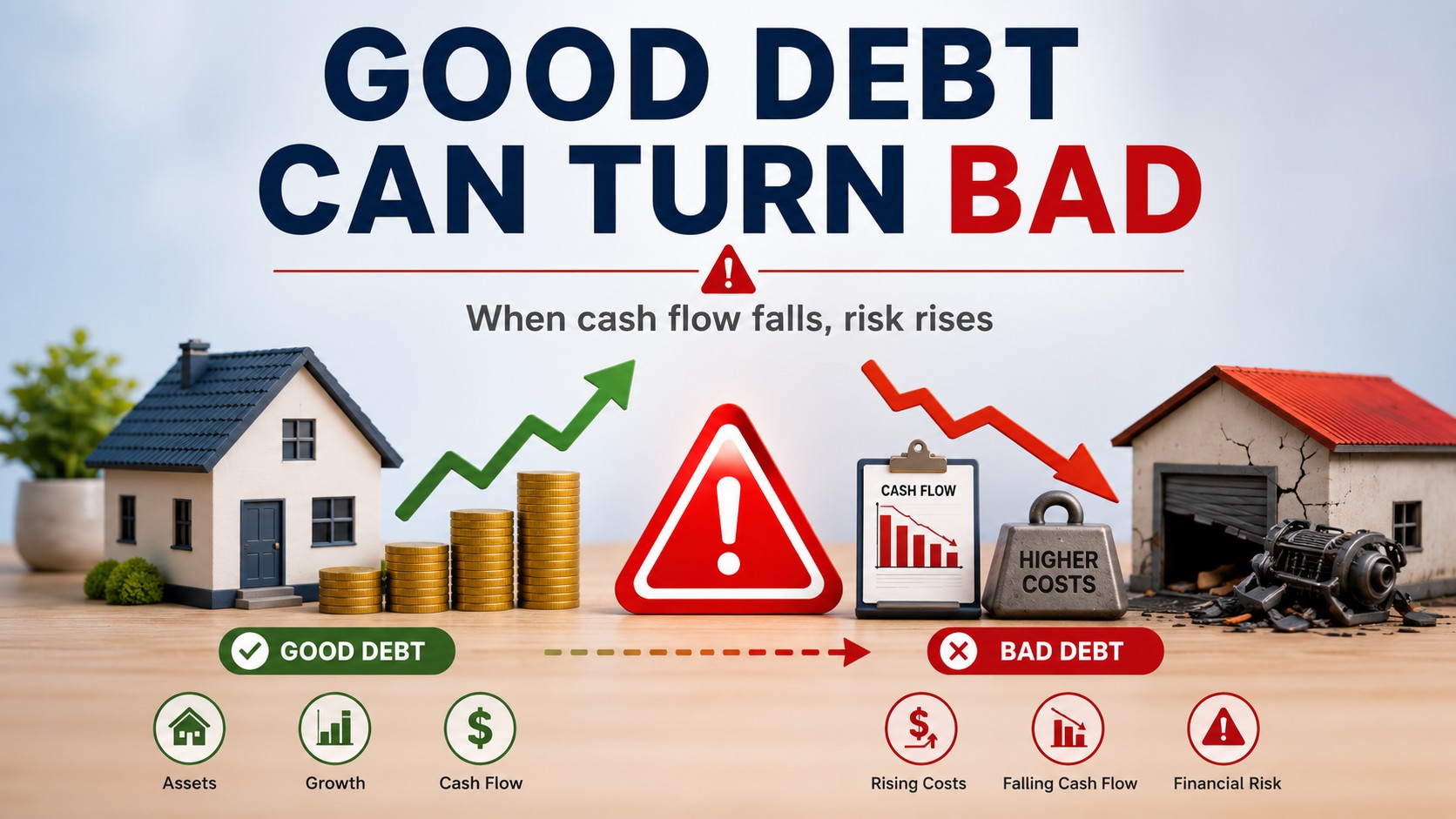
Good Debt Can Quickly Turn Into Bad Debt
Something is not automatically a good investment because somebody calls it an asset.
A rental property may sit empty.
A machine may break.
A customer may leave.
Sales may fall.
Interest rates may rise.
Running costs may increase.
A business may lose an important contract.
The loan payment will still be due.
That is why business debt and cash flow must be studied together.
Cash flow is the real money moving into and out of the business.
Profit may look good on a report.
But the loan cannot be paid with profit printed on paper.
It must be paid with cash.
As I have taught for many years:
Cash is blood.
When the cash stops moving, the business gets weak very quickly.
A cash flow forecast helps you estimate whether future income will be enough to cover costs and repayments.
Australian government business guidance recommends checking income, expenses, debts, and cash flow before applying for a business loan.
Five Questions to Ask Before You Borrow
Before using debt as a wealth-building tool, answer these five questions.
1. Will This Purchase Produce Real Income?
Do not accept a vague promise.
Write down how the asset will make money.
Who will pay you?
How much will they pay?
How often will they pay?
2. Will the Income Cover Every Cost?
Include:
Loan repayments
Interest
Insurance
Repairs
Wages
Tax
Maintenance
Quiet periods
Do not leave costs out just to make the idea look better.
3. What Happens If Income Falls?
Test the numbers again with lower sales.
What happens if income falls by 10%, 20%, or 30%?
Can you still make the repayments?
4. Do You Have a Cash Safety Buffer?
Keep money aside for trouble.
Equipment breaks.
Customers pay late.
Tenants leave.
Unexpected bills arrive.
A safety buffer gives you time to fix the problem.
5. What Is Your Way Out?
What will you do if the asset does not work as planned?
Can it be sold?
Can the loan be reduced?
Can costs be cut?
Never enter debt without knowing how you might get out.
Financial Education Comes Before Borrowing
Robert Kiyosaki’s strongest lesson is not simply:
“Borrow more money.”
The real lesson is:
Learn how money works before you borrow.
This is financial literacy for business owners.
It means understanding:
Cash flow
Profit
Assets
Liabilities
Interest
Repayments
Risk
Return
Do not borrow because somebody sounds confident.
Do not borrow because everybody else is doing it.
Do not borrow because you are afraid of missing an opportunity.
Understand the numbers first.
When you cannot explain the deal in simple language, you do not understand it well enough yet.
What About the Tax Claims?
The original Robert Kiyosaki debt strategy also discusses borrowing against assets and possible tax advantages.
This needs care.
Tax laws are different in each country.
They also change.
The tax treatment can depend on:
What the borrowed money is used for
Who owns the asset
Whether the asset produces taxable income
Whether the borrowing is personal or business-related
The laws in your country
In Australia, the tax treatment of interest generally depends on how the borrowed money is used. Interest linked to an income-producing purpose may be treated differently from interest on private borrowing.
Never borrow money only because somebody says it will save tax.
A tax benefit will not turn a poor investment into a good one.
Always speak with a qualified accountant or adviser before acting.
The Simple Debt Test
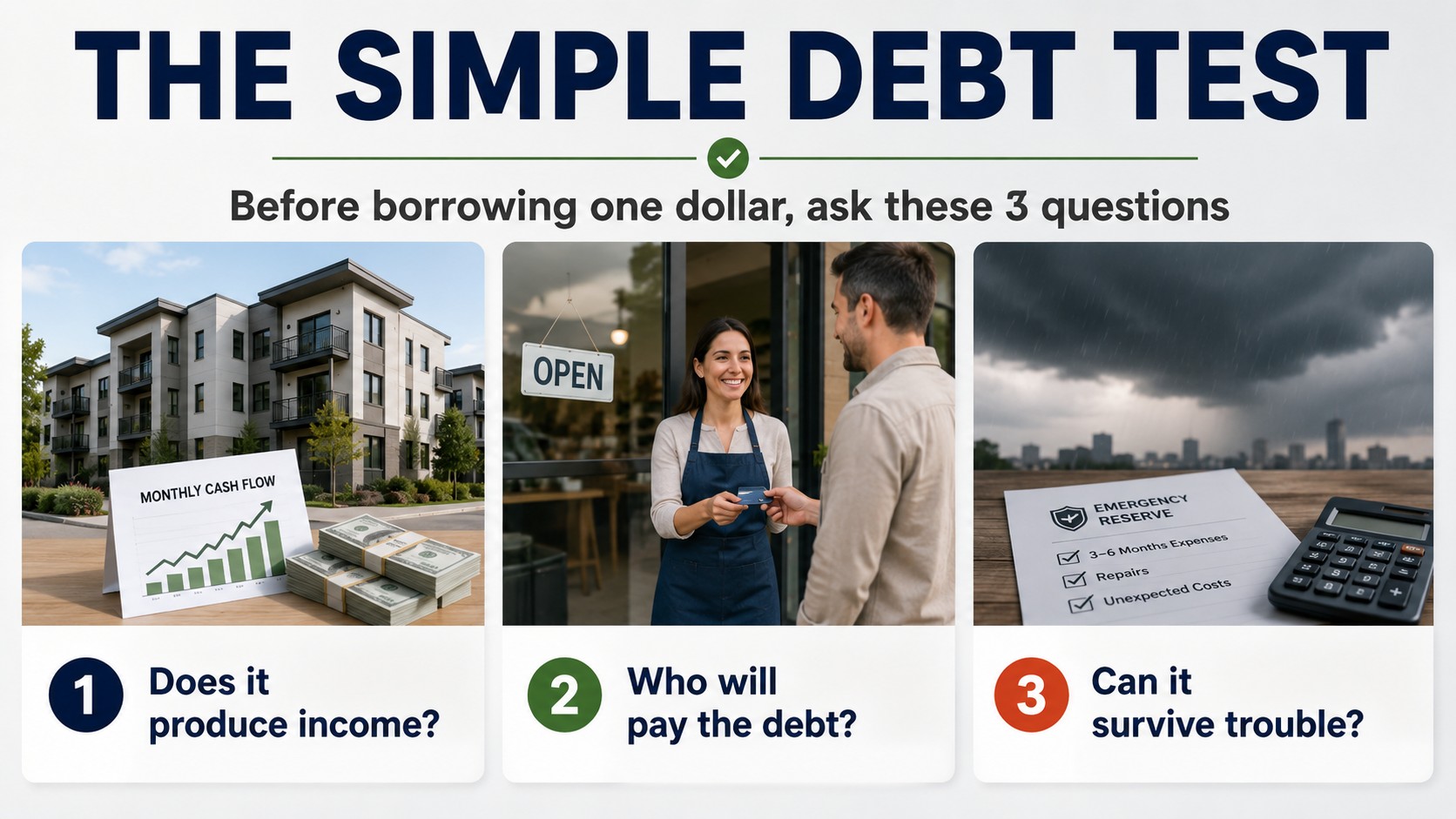
Before borrowing one dollar, ask three questions:
Does it produce income?
Will this purchase put money into your pocket?
Who will pay the debt?
Will customers, tenants, or business income help make the repayments?
Can it survive trouble?
Will the plan still work if income falls and costs rise?
When you cannot answer all three questions clearly, stop.
Check the numbers.
Ask for advice.
Then decide.
The Takeaway
Debt is not automatically your friend.
Debt is not automatically your enemy.
Debt is a tool.
Bad debt normally takes money out of your pocket.
Well-managed debt may help you buy income-producing assets that put money into your pocket.
But the asset must produce real cash.
The numbers must work.
The risks must be understood.
And you must have a safety buffer.
The goal is not to collect debt.
The goal is to control assets that produce more cash than they consume.
That is the simple truth behind good debt vs bad debt.
Learn first.
Check the cash.
Borrow last.
For more simple and practical lessons about cash flow, profit, and understanding your business numbers, visit Street Smart Business Secrets.
This article is for education only. It is not personal financial, lending, investment, tax, accounting, or legal advice. Speak with a qualified professional before borrowing or investing.
Latest Posts
AI for Small Business:
Do You Really Need AI Skills?

AI means smart computer tools that can do tasks people usually do. Some AI can write text, make pictures, answer questions, or look at data and find patterns.... READ: AI for Small Business
Good Debt vs Bad Debt:
How Debt Can Build Wealth
Most people are taught that all debt is bad. Pay off the house. Cut up the credit cards.Never borrow money. Stay debt-free.
How To Help Your Business
Survive A Shaky Economy
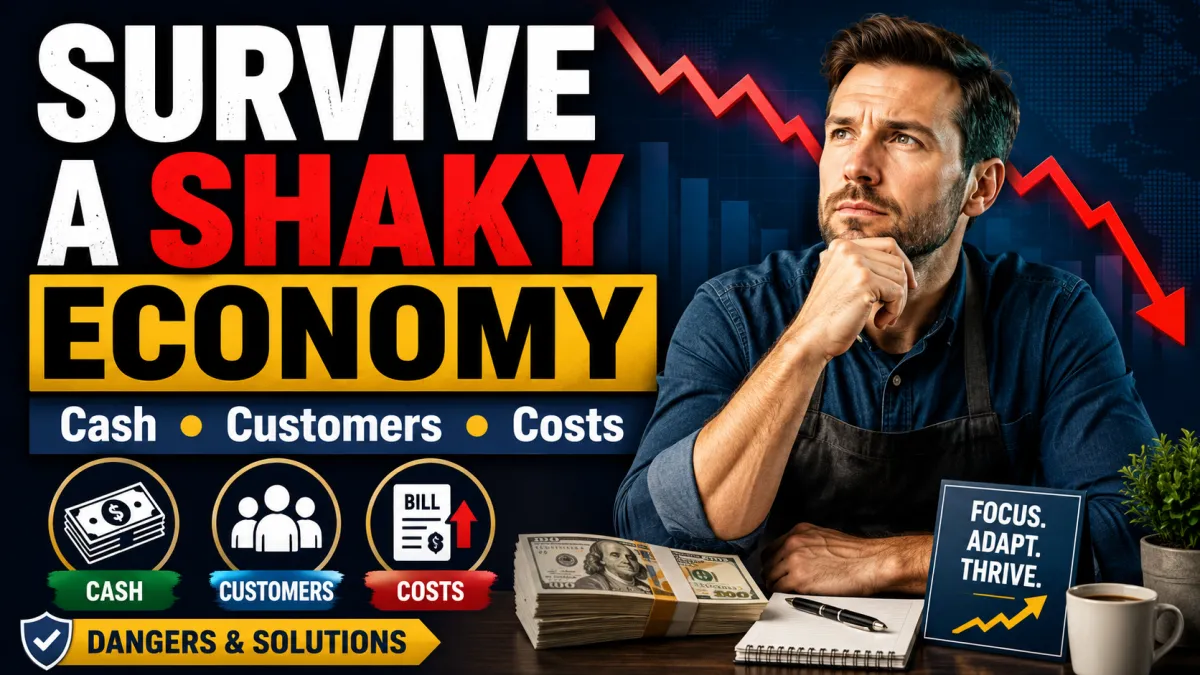
A business does not survive by guessing. A business survives by watching cash, protecting customers, cutting waste....
7 Money Moves Every
Small Business Should Make

This is why cash flow management tips matter more in uncertain times. When things get shaky... READ: 7 Money Moves Every Small Business Should Make
Prevent Financial
Statement Fraud Using Ai
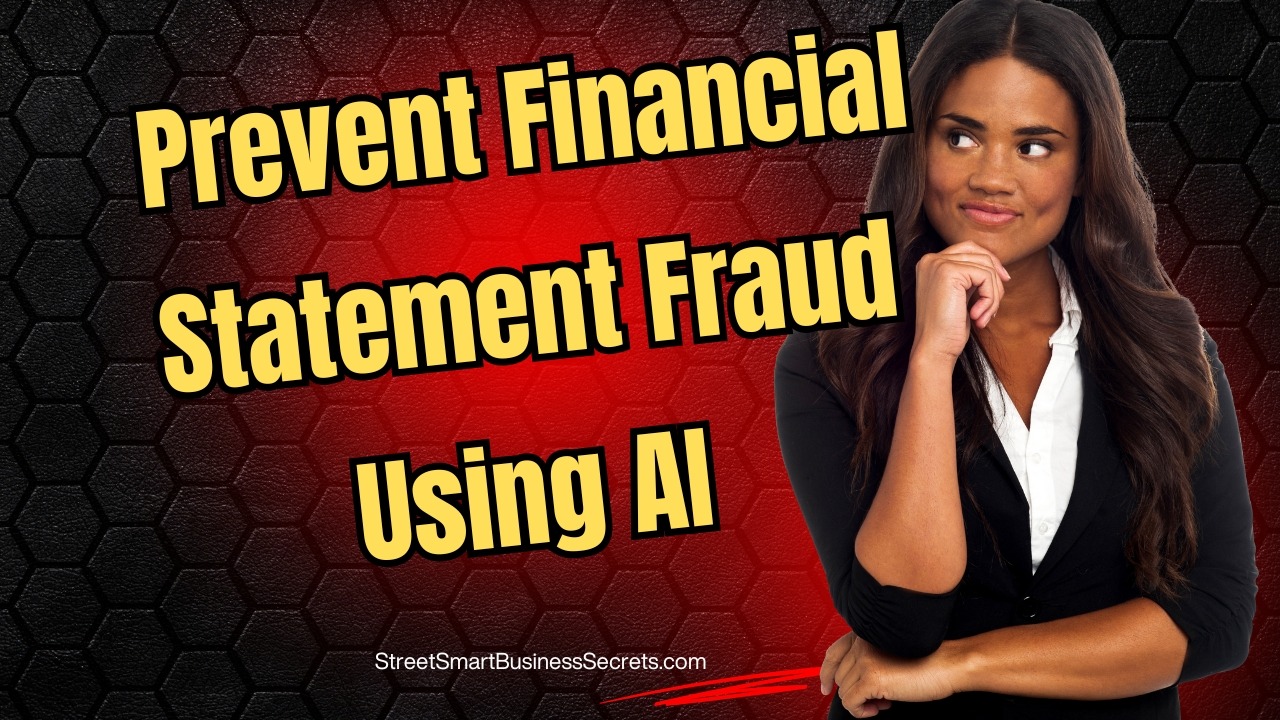
The 7 internal controls to prevent fraud (and stop financial statement fraud early).These are the “boring” habits that protect smart
6 Secret Business
Tips
Ever feel like you’re working hard… but the money still feels “mysterious”? But you can’t always tell what’s actually moving the needle?


Disclaimer: The content shared on this blog and in these videos is for informational and educational purposes only. Despite my 30 years of experience as a business owner, I am not a certified financial advisor, accountant, or legal professional. The insights and tips shared are based on personal experiences and should not be taken as professional financial or legal advice. For financial, legal, or professional advice, please consult with a certified professional in the respective field. I disclaim any liability or responsibility for actions taken based on any information found in this blog or these videos.
This is general education only. For tax advice, speak to a qualified tax professional in your country.
Copyright Learn Accounting Fast - All Rights Reserved 2025
Facebook
Instagram
X
LinkedIn
Youtube