
Equity Ratio: A Simple Powerful Tool for Business Insight
Equity Ratio = Total Equity / Total Assets
The equity ratio stands as a beacon of financial health for a company.
At its core, this ratio tells us about the balance between the total equity and the total assets of a company.
The formula is straightforward: Equity Ratio = Total Equity / Total Assets
Why It Matters
In essence, this ratio sheds light on how much of a company is owned by its shareholders versus how much is owed.
A higher equity ratio suggests a company is primarily funded by owners rather than by debts.
This is crucial because it shows a company's ability to withstand tough financial seasons without the burden of heavy debts.
The Advantage in Simplicity
Understanding and applying the equity ratio can arm you with the ability to make informed decisions. Here’s how:
Risk Management: A high equity ratio indicates lower risk, meaning the company is less dependent on debt and can manoeuvre through economic downturns with more agility.
Investment Appeal: Companies with a healthy equity ratio are often more attractive to investors. It signals a solid foundation, making them safer bets for your investment dollars.
Financial Health Indicator: This ratio is a quick check of a company's financial well-being. It tells you about the company's stability and long-term viability. A financial health indicator is a metric used to assess the financial well-being of a company. These indicators provide a snapshot of a company's financial stability, efficiency,
and ability to sustain operations over the long term. By analyzing these indicators, stakeholders can make informed decisions about investing in, partnering with, or managing the company.
Key Financial Health Indicators
Current Ratio
Formula: Current Assets / Current Liabilities
This ratio measures a company's ability to pay off its short-term liabilities with its short-term assets.
A higher current ratio indicates better liquidity and financial health.
Debt-to-Equity Ratio Formula: Total Liabilities / Total Equity

This ratio compares the company's total liabilities to its total equity. A lower ratio suggests a more financially stable company with less reliance on debt.
Gross Profit Margin Formula:
(Revenue - Cost of Goods Sold) / Revenue
This ratio shows the percentage of revenue that exceeds the cost of goods sold.
A higher margin indicates a more profitable company. Net Profit Margin Formula: Net Income / Revenue
This ratio measures how much of each dollar of revenue is left as profit after all expenses. It indicates overall profitability.
Return on Assets (ROA)
Formula: Net Income / Total Assets
This ratio shows how efficiently a company uses its assets to generate profit. A higher ROA indicates better performance.
Return on Equity (ROE)
Formula: Net Income / Shareholders' Equity This ratio measures the return generated on shareholders' equity.
A higher ROE suggests a company is effectively using its equity base to generate profit.
Interest Coverage Ratio Formula:
Earnings Before Interest and Taxes (EBIT) / Interest Expense
This ratio shows how easily a company can pay interest on its outstanding debt.
A higher ratio indicates better financial health.
Importance of Financial Health Indicators
Stability: Financial health indicators help assess the stability of a company by showing how well it can meet its short-term and long-term obligations.
A stable company is less likely to face financial distress. Viability: These indicators reveal the company's ability to sustain operations over time, which is crucial for long-term success.

High profitability and efficient use of assets indicate a viable business model.
Decision-Making: Investors, creditors, and managers use these indicator to make informed decisions.
For example, investors might look at Return On Equity to decide if a company is a good investment, while creditors might consider the current ratio before extending credit.
Benchmarking: Companies can compare their financial health indicators with industry averages or competitors to see how they stack up.
This can highlight areas for improvement and competitive advantages.
By regularly monitoring these financial health indicators, companies can ensure they maintain a strong financial position, make strategic decisions, and achieve long-term growth and stability.
Going Beyond the Basics
To stand out from the average manager, consider these less common insights:
Trend Analysis: Don't just look at the equity ratio in isolation. Analyze its trend over time.
Is it increasing, suggesting growing owner investment, or decreasing, indicating rising debt levels?
Industry Comparison: The ideal equity ratio varies by industry.
Compare your company's ratio to industry standards to understand where you stand.
Debt vs. Equity Strategy: Use the equity ratio to fine-tune you company's balance between using debt and equity financing.
This balance is key to optimizing growth and minimizing risk.
Asset Management: Sometimes, a low equity ratio might not spell trouble but rather indicate an asset-heavy company.
In such cases, evaluate if these assets are being used efficiently to generate revenue.

Understanding the Equity Ratio: Good vs. Bad
The "Good" Equity Ratio
Above 0.5: Generally, an equity ratio greater than 0.5 is considered good.
This means that more than half of the company's assets are financed through equity, indicating a strong financial position.
Companies with a ratio above 0.5 are often seen as less risky, as they rely less on debt to fund their operations.
Industry-Specific Benchmarks: It's crucial to note that "good" can vary significantly by industry.
Some industries, like technology, may naturally operate with higher equity ratios due to lower capital expenditure requirements, whereas manufacturing might have lower ratios due to the high cost of physical assets..
The "Bad" Equity Ratio
Below 0.5: A ratio below 0.5 suggests that a company is more heavily reliant on debt than on equity financing.
This can be a red flag, indicating potential financial instability or a higher risk of bankruptcy, especially in economic downturns.
Context Matters: However, a lower ratio isn't always a sign of trouble.
For new companies or those in expansion phases, leveraging debt might be a strategic choice.
The key is whether the debt is being used effectively to generate returns.
Simple Words, Deep Impact
The equity ratio, with its uncomplicated formula, offers profound insights into a company's financial structure and stability.
By leveraging this tool wisely, you can elevate your decision-making and steer your company towards a future marked by growth and resilience.
Remember, the true power of the equity ratio lies not just in its calculation but in the strategic actions it inspires.
Now is the perfect time to invest in your greatest asset - YOUR BUSINESS AND FINANCIAL EDUCATION.
It's time to thrive in these trying times by taking advantage of this opportunity for personal growth. Be the greatest you can be…
Join us, click the link below for short, sharp, simple video courses that give you confidence and street-smart business skills to simplify accounting and focus on growing your business to succeed.

Latest Posts
AI for Small Business:
Do You Really Need AI Skills?

AI means smart computer tools that can do tasks people usually do. Some AI can write text, make pictures, answer questions, or look at data and find patterns.... READ: AI for Small Business
Good Debt vs Bad Debt:
How Debt Can Build Wealth
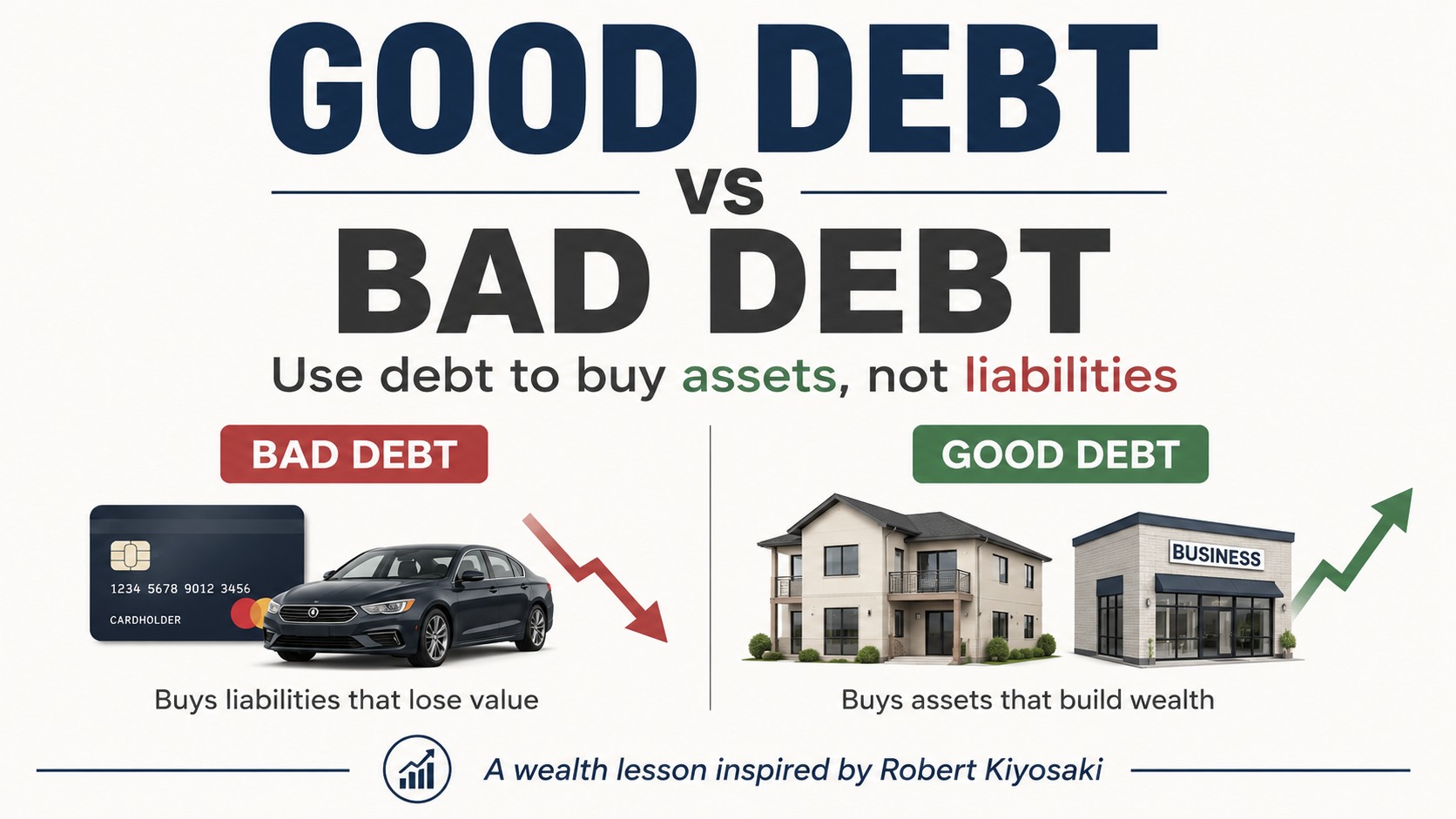
Most people are taught that all debt is bad. Pay off the house. Cut up the credit cards.Never borrow money. Stay debt-free.
How To Help Your Business
Survive A Shaky Economy

A business does not survive by guessing. A business survives by watching cash, protecting customers, cutting waste....
7 Money Moves Every
Small Business Should Make

This is why cash flow management tips matter more in uncertain times. When things get shaky... READ: 7 Money Moves Every Small Business Should Make
Prevent Financial
Statement Fraud Using Ai

The 7 internal controls to prevent fraud (and stop financial statement fraud early).These are the “boring” habits that protect smart
6 Secret Business
Tips

Ever feel like you’re working hard… but the money still feels “mysterious”? But you can’t always tell what’s actually moving the needle?


Disclaimer: The content shared on this blog and in these videos is for informational and educational purposes only. Despite my 30 years of experience as a business owner, I am not a certified financial advisor, accountant, or legal professional. The insights and tips shared are based on personal experiences and should not be taken as professional financial or legal advice. For financial, legal, or professional advice, please consult with a certified professional in the respective field. I disclaim any liability or responsibility for actions taken based on any information found in this blog or these videos.
This is general education only. For tax advice, speak to a qualified tax professional in your country.
Copyright Learn Accounting Fast - All Rights Reserved 2025
Facebook
Instagram
X
LinkedIn
Youtube