Embrace the New AI Economy: How to Prepare Yourself for the Digital Shift
The future isn’t waiting—AI is here, and it’s transforming the business landscape faster than you can say “algorithm.”
To stay relevant and thrive in this new world, you’ve got to adapt.
This isn’t about resisting change; it’s about riding the wave before it crashes over you.
So let’s look into the strategies you need to prepare for the AI economy.
Get to Know AI—What It Really Is (It’s Not Just Sci-Fi Anymore)
AI, or artificial intelligence, is everywhere now—from Netflix recommendations to your smartphone’s voice assistant.
It’s not just robots and self-driving cars; it’s about how computers learn patterns, make decisions, and automate tasks.
So why should you care? Because AI is reshaping every industry, from healthcare to finance.
If you don’t understand it, you’re setting yourself up to be left behind.
Why?
AI is integrated into everyday business processes—customer service bots, predictive analytics, and even automated marketing.
It’s critical to grasp the basics so you can leverage AI, rather than fear it.
What to Do:
Start with a simple course like AI for Everyone on Coursera, which is designed to give you a broad overview without heavy technical jargon. For a deeper dive, check out edX’s AI course.
How to Learn:
Dedicate just 30 minutes a day. Make it part of your routine— watch a course video with your morning coffee.
The goal isn’t to become an AI expert but to gain enough understanding to see opportunities where AI can streamline your work.
Upskill Yourself—Or Risk Being Replaced (Seriously, It’s Happening)
The jobs most at risk from AI are those involving repetitive tasks—data entry, scheduling, basic customer service.
If your role includes these, it’s time to level up. Focus on skills that AI can’t easily replicate: creativity, critical thinking,
emotional intelligence, and strategic decision-making.

Why?
While AI can analyze data faster than any human, it struggles with tasks requiring empathy, creativity, and nuanced judgment. By developing these skills, you make yourself irreplaceable.
What to Learn:
Get comfortable with data. Even if you’re not a data analyst, understanding how to read and interpret data is crucial.
Tools like DataCamp offer beginner-friendly courses on data literacy.
How to Start:
Set a goal to complete one online course per month Start small with a basic course on Python, a versatile programming language often used in AI projects.
Even if coding isn’t your thing, understanding the logic behind it can give you a strategic edge.
Leverage AI Tools—They’re Your New Secret Weap
AI isn’t here to take your job; it’s here to take away the boring parts of your job.
Think of it as your digital assistant—one that never sleeps, never gets tired,
and can process data at lightning speed.
Why?
AI tools help you work smarter, not harder. From automating mundane tasks to offering insights based on data, these tools free up your time to focus on high-impact activities.
What Tools to Use:
Zapier: Automates workflows by connecting your favorite apps (think Gmail, Slack, Asana). It’s like having an extra pair of hands.
Jasper AI: A content creation tool that helps you write blog posts, ads, and even social media content with ease. It’s like having a personal copywriter at your disposal.
Do: Evaluate the stability of key customer relationships.
Avoid: Underestimating the risk of revenue concentration.
How to Implement:
Start by listing out repetitive tasks you perform daily. Then, set up simple automations on Zapier—like automatically saving email attachments to your Google Drive.
Once you get the hang of it, you can automate more complex workflows.
Automate Your Workflow— Let the Bots Do the Heavy Lifting
If you’re manually handling tasks like scheduling, data entry, or social media posting, you’re wasting time.
Automation can handle these for you. It’s like having a robot assistant who never takes a break.
Why?
Automation reduces human error, saves time, and allows you to focus on strategic tasks.
It’s the difference between working hard and working smart.
What to Automate:
Look into automating:
Email Responses: Use tools like Gmail’s Smart Reply or HubSpot’s automated responses.
How to Get Started:
Start small. Automate your weekly social media posts using Buffer. Set up one automation at a time and monitor the results before scaling up.

Stay Ahead of Trends—Because the Game Changes Fast
AI is evolving at a breakneck pace. One day you’re mastering the latest tool, and the next day it’s outdated. To keep up, you need to stay plugged into what’s happening in the industry.
Why?
Keeping up with trends allows you to anticipate changes and adapt quickly, rather than playing catch-up. It’s about being proactive, not reactive.
What to Follow:
Subscribe to newsletters from sources like TechCrunch AI or MIT Technology Review.
Join online communities like the AI section on Reddit, where you can engage in discussions and learn from experts.
How to Stay Informed:
Spend 10 minutes every morning reading AI news. Bookmark key sources, and make it a habit to check in daily. It’s like brushing your teeth—necessary and good for you.
Build and Nurture Your Network—It’s Your Safety Net
The saying “Your network is your net worth” has never been more true. In a rapidly changing world, the people you know can be your greatest asset.
Why?
Strong connections can open doors to opportunities you never knew existed.
Networking isn’t just about making contacts—it’s about building relationships that can support your growth in the AI economy.
What to Do:
Engage with professionals in the AI space. Use LinkedIn to connect, but don’t stop there.
How to Network:
Attend at least one virtual networking event per month. Follow up with people you meet, and start a conversation—
don’t just send a connection request and forget about them.
Be Ready to Pivot—The AI Economy Doesn’t Wait
Planning is important, but flexibility is key. Your strategies need to evolve as quickly as the technology itself.
Be prepared to pivot, learn, unlearn, and then relearn. It’s a cycle.
Why?
In a world driven by AI, rigidity is a disadvantage. Adaptability will be your most valuable skill.
Think of it as surfing—you have to move with the wave, not against it.
How to Adapt:
Regularly review your strategies and tools. If something isn’t working, change it—don’t be afraid to scrap what doesn’t serve you anymore.
Final Thought: jump In Now, or Risk Being Left Behind
The AI economy isn’t coming—it’s here. It’s time to embrace it fully, even if you stumble a bit at first.
The only real failure is not trying. Start small, keep learning, and don’t let fear hold you back.
For more tips on mastering the new business landscape, check out Learn Accounting Fast Products. Because staying ahead isn’t just a choice; it’s a necessity


Latest Posts
AI for Small Business:
Do You Really Need AI Skills?
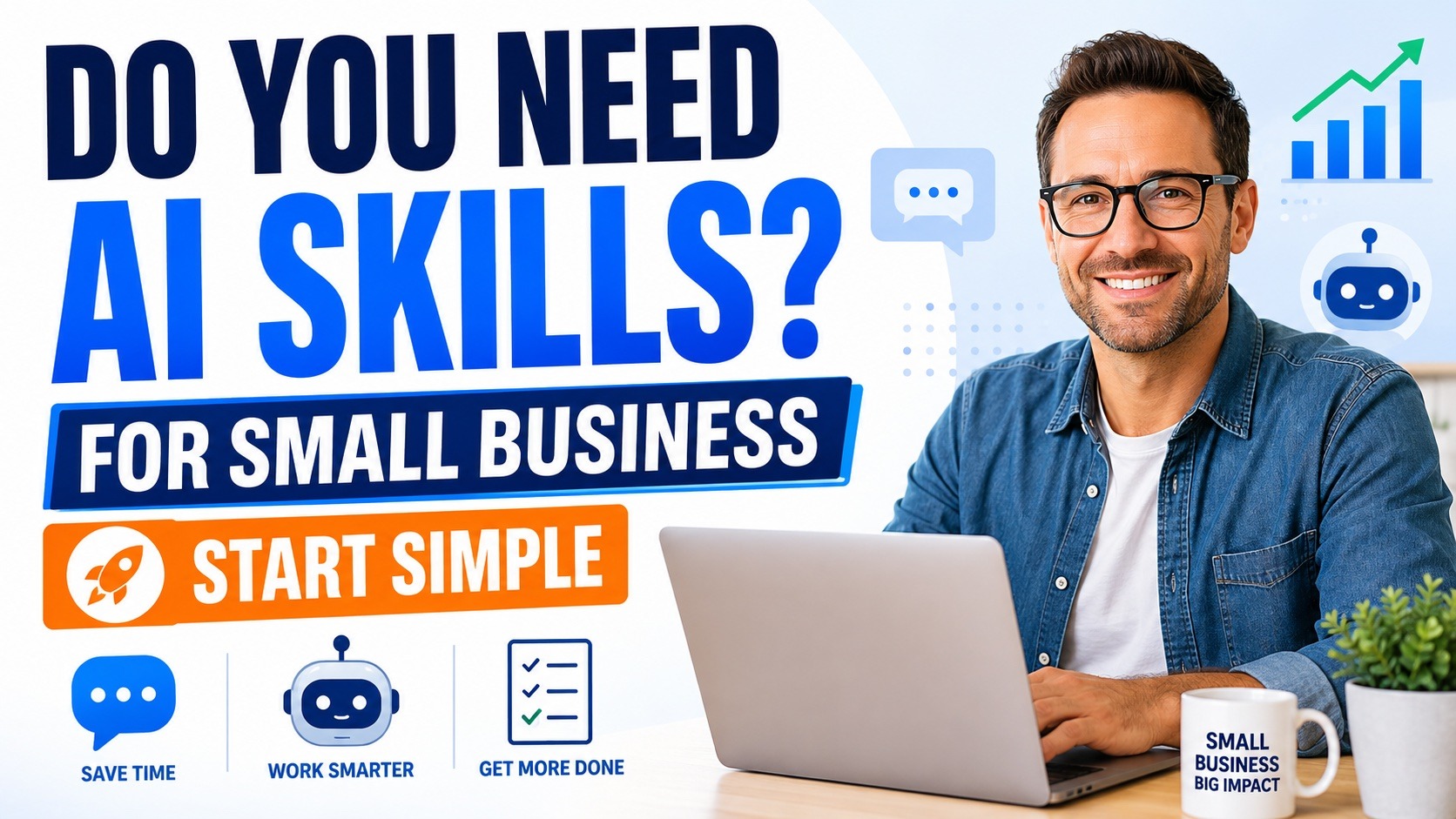
AI means smart computer tools that can do tasks people usually do. Some AI can write text, make pictures, answer questions, or look at data and find patterns.... READ: AI for Small Business
Good Debt vs Bad Debt:
How Debt Can Build Wealth
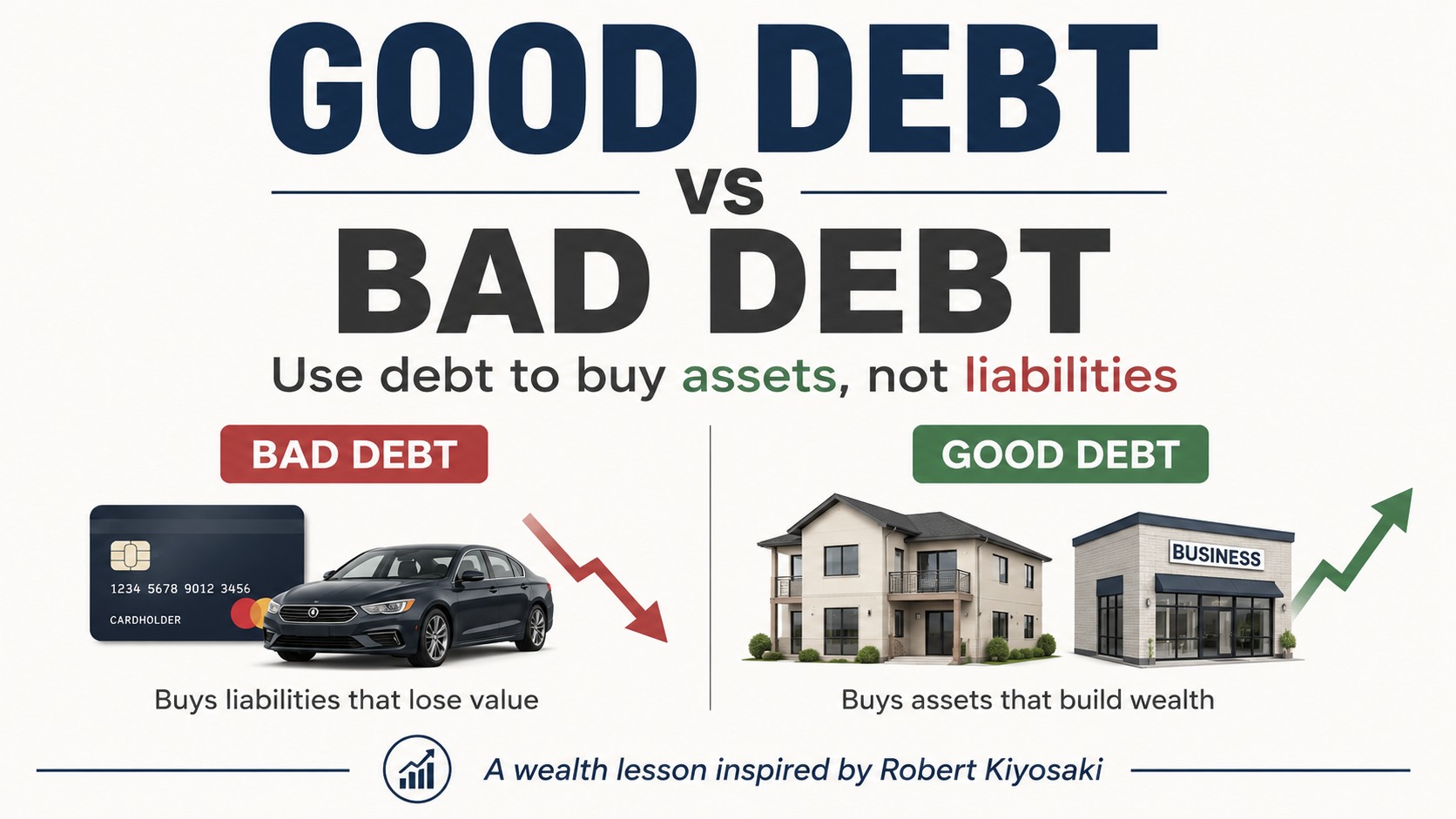
Most people are taught that all debt is bad. Pay off the house. Cut up the credit cards.Never borrow money. Stay debt-free.
How To Help Your Business
Survive A Shaky Economy

A business does not survive by guessing. A business survives by watching cash, protecting customers, cutting waste....
7 Money Moves Every
Small Business Should Make

This is why cash flow management tips matter more in uncertain times. When things get shaky... READ: 7 Money Moves Every Small Business Should Make
Prevent Financial
Statement Fraud Using Ai

The 7 internal controls to prevent fraud (and stop financial statement fraud early).These are the “boring” habits that protect smart
6 Secret Business
Tips
Ever feel like you’re working hard… but the money still feels “mysterious”? But you can’t always tell what’s actually moving the needle?

Disclaimer: The content shared on this blog and in these videos is for informational and educational purposes only. Despite my 30 years of experience as a business owner, I am not a certified financial advisor, accountant, or legal professional. The insights and tips shared are based on personal experiences and should not be taken as professional financial or legal advice. For financial, legal, or professional advice, please consult with a certified professional in the respective field. I disclaim any liability or responsibility for actions taken based on any information found in this blog or these videos.
This is general education only. For tax advice, speak to a qualified tax professional in your country.
Copyright Learn Accounting Fast - All Rights Reserved 2025
Facebook
Instagram
X
LinkedIn
Youtube