
13 Negotiation Secrets the Best Dealmakers Don’t Want You to Know
Looking for the best negotiation strategies that actually work? Discover these expert negotiation techniques used by top dealmakers to win more deals, close faster, and build stronger business relationships.
Each one is simple, powerful, and proven for real-world negotiation success.
1. Use Anchoring to Influence Perception Early
Anchoring in negotiation is one of the most effective negotiation strategies to guide expectations.
Example: Before showing the product, a salesperson says, “Most people save around $7,000 using this.” Now, that number anchors your mind.
How to apply: Drop high-value statements early to shape perception and increase perceived ROI.
For example:
Mention impressive results: “Our clients typically see a 45% boost in efficiency within the first month.”
Use authority: “This exact system was feature d by Forbes as a top workflow improvement.”
Share cost-saving proof: “On average, our users save over $1,200 per quarter with this plan.” to shape the perceived value. This anchoring effect influences decision-making before numbers are even discussed.
2. Ask Framing Questions to Guide the Deal
Using framing techniques in negotiation allows you to control the conversation flow subtly.
Example: Ask, "What would need to happen for this to feel like a win for you?" Now they help build your case themselves.
How to apply:
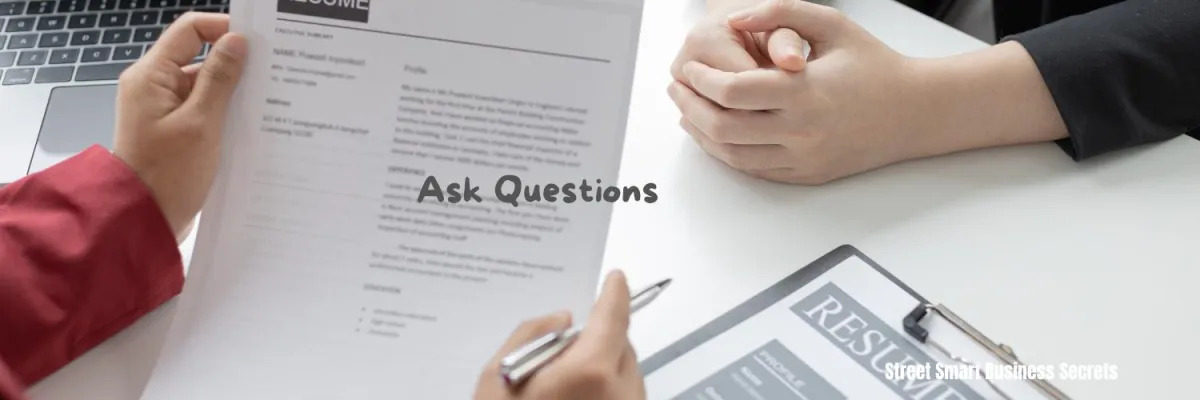
Use open-ended negotiation questions like:
“What would success look like for you in this deal?”
“How do you usually handle situations like this?”
“What concerns might you have moving forward with this agreement?”
These types of strategic negotiation questions uncover hidden motives, create clarity, and open the door for collaborative solutions. They also improve trust and build rapport by showing you genuinely care about their goals. that create clarity, reveal their true goals, and guide them toward agreement.
3. Use Micro-Commitments to Build Agreement
Micro commitments in sales and negotiation build trust and momentum toward the final deal. Example: Ask, "Can you see how this saves time?" Every small "yes" brings them closer to the big one.
How to apply:
Stack easy agreement points throughout your pitch. For example:
Ask early confirmation questions like, “Would this kind of solution fit your workflow?”
Get nods with low-risk questions such as, “Do you agree that saving time is critical?”
Use phrases like, “Most clients feel the same way,” to build subtle alignment.
Each agreement, no matter how small, makes the final "yes" feel natural.
This negotiation psychology reduces mental resistance and boosts conversion rates. This technique reduces resistance and increases conversion.
4. Keep Terms Slightly Vague for Leverage Later
Strategic ambiguity in negotiation helps you maintain control of the conversation.
Example: Say, "This includes surprise upgrades." That little mystery creates curiosity and positions you as flexible. How to apply: Share headline features early to spark interest, while holding back full details for strategic control. For example:
Mention, "Our standard plan includes advanced automation tools," but save the exact tools for later.
Say, "We offer support that's available around the clock," and detail the channels only after interest builds.
Highlight, "You'll also get performance boosts others don’t know about," creating curiosity that helps anchor value.
This blend of excitement and mystery gives you room to adjust terms later while keeping perceived value high. Leave room for adjustments when closing the deal to boost perceived value.
5. Master the Art of Silence After Your Offer
Using the power of silence in negotiation gives you the upper hand.

Example: After saying your price, stay silent. The pause makes the other person more likely to respond with a better offer.
How to apply: Count silently after your proposal. This quiet confidence adds pressure without saying a word.
6. Use Decoy Pricing to Make Your Offer Irresistible
Decoy pricing strategy is a smart way to influence decisions by comparison.
Example: Offer three packages: one overpriced, one underpowered, and one just right. Most people choose the middle, which is your ideal sale. How to apply: Frame your offer using price anchoring.
For example:
Show a "premium" version priced higher to make your main offer feel like a value deal.
Include a basic offer that lacks key features to drive preference to the mid-tier.
Position your ideal offer as the most balanced and popular to anchor trust and urgency.
These decoy pricing examples help guide decisions by shaping perceived value and nudging buyers toward your preferred outcome. It makes your best option look like the smartest choice.

7. Outsource the Objection Using Authority
Objection handling in negotiation becomes easier when you redirect the pressure.
Example: Say, “I’d love to, but our finance team won’t approve that.” It keeps the relationship intact while holding your ground. How to apply:
Use third-party authority or company policy as a respectful way to say no without damaging rapport.
For example:
“I completely understand where you’re coming from, but our legal team has a strict compliance rule on this.”
“That would normally work, but our billing system is hard-coded for the standard terms.”
“I’d be open to that idea, but leadership requires us to stick to the original framework in deals like this.”
These external references reduce personal friction while reinforcing your position with authority. as a respectful way to decline.
8. Future Pace the Outcome with Certainty
Future pacing in negotiation helps your client visualize a successful outcome.
Example: Say, "When this launches next week, your team will be ready, right?" That phrasing assumes success. How to apply: Replace "if" with "when" to plant positive expectations.
For example:
Instead of saying, "If you decide to go with this plan," say, "When you start using this plan, you'll see results quickly."
Say, "When we finalize this deal," instead of "If we agree on this deal."
Use, "When this rolls out next week," to subtly suggest agreement is already happening.
These negotiation tactics use future pacing to create certainty, confidence, and a sense of inevitability, which encourages commitment.
9. Offer Low-Cost Bonuses That Feel Like Big Wins
Win-win negotiation strategies create positive emotions and stronger deals.
Example: Throw in a free setup or bonus service. It costs little but adds massive perceived value.
How to apply: Prepare customer satisfaction boosters in advance. For example:
These small, cost-effective gestures help solidify trust, increase perceived value, and turn satisfied clients into long-term partners. Use them as close-the-deal sweeteners.

10. Use "No-Oriented" Questions to Reduce Pressure
No-oriented questions lower resistance while keeping the conversation moving.
Example: Ask, "Would it be crazy to try this for 30 days?" Saying "no" gives control, but still leads to a "yes." How to apply: Use phrases that make people feel safe rejecting—even though you're guiding them toward a yes.
For example:
Ask, “Would it be ridiculous to give this a shot for a week?” The word “ridiculous” makes them feel safe saying no, while still picturing the trial.
Say, “Is it a bad idea to see how this fits into your workflow?” Again, the default no feels easy, but the idea has been introduced.
Try, “Are you totally against testing this on a smaller scale?” It’s structured for a no, but the offer is now on the table.
This "no-oriented" questioning method disarms objections, keeps them in control, and gently guides them to your desired outcome. Though they’re agreeing in principle
11. Reframe Pressure with Soft Power
When conflict rises, use negotiation conflict resolution techniques that don’t feel aggressive.
Example: If they push for a discount, calmly ask: "Can you help me understand why that would work for you?" It turns the table without confrontation. How to apply: Use calm curiosity instead of hard defence.
For example:
Instead of arguing over pricing, ask, “What part of the offer feels off to you?” This shows you’re listening, not pushing.
If they seem skeptical, try, “Can you walk me through what you’re thinking?” It invites collaboration.
When faced with an ultimatum, say, “What would make this feel more balanced for both sides?” It reframes tension into teamwork.

This soft power approach lowers resistance and encourages cooperation without triggering defensiveness.. It disarms pressure and builds mutual understanding.
12. Use Summary to Transition the Conversation
Effective communication in negotiation includes summarizing to reset the frame. Example: Recap: "So you're looking for something fast, affordable, and reliable. Here's an offer that checks all three." How to apply: Show active listening and lead the flow toward your offer.
For example:
After they share their needs, say, “Just to confirm, you’re looking for speed, reliability, and low overhead—right?” Then present a solution that matches.
Paraphrase their main concern and follow with, “That’s why we designed this to remove that exact bottleneck.”
Reflect their own words back to them, then transition: “You mentioned this matters most—let me walk you through how our offer handles that.”
These techniques make people feel heard, align the conversation with their values, and naturally shift the focus toward your solution.
13. Send Silent Signals of Confidence
Nonverbal communication in negotiation speaks louder than words.
Example: Choose the meeting place, maintain eye contact, and spread your materials with ease. These body language cues project confidence. How to apply: Control your space. Confidence builds credibility—and credibility closes deals.
For example:
Choose the seat that faces the door or gives you the most presence in the room. This subtly signals leadership.
Spread out your materials in front of you, showing you’ve come prepared and are taking up space with purpose.
Maintain steady eye contact and relaxed posture. This nonverbal behavior communicates certainty, not desperation.
These nonverbal negotiation tactics signal quiet authority and help you lead the tone and direction of the conversation. credibility closes deals.
Win More Deals With Proven Negotiation Psychology
These aren’t cheap negotiation tricks. They are advanced, field-tested business negotiation secrets that work for entrepreneurs, sales professionals, and corporate leaders alike. Use them to gain more control, build trust, and close deals with confidence.
Want a cheat sheet or printable version of this blog post? Drop a comment or message us directly.
Helpful Resources:
• Chris Voss MasterClass on Negotiation
• Never Split the Difference (book)
• Street Smart Business Secrets — Learn advanced business negotiation and communication tactics.

Be the greatest you can be… Join us, click the link below for short, sharp, simple video courses that give you confidence and street-smart business skills to simplify accounting and focus on growing your business to succeed. https://streetsmartbusinesssecrets.com/
Latest Posts
AI for Small Business:
Do You Really Need AI Skills?

AI means smart computer tools that can do tasks people usually do. Some AI can write text, make pictures, answer questions, or look at data and find patterns.... READ: AI for Small Business
Good Debt vs Bad Debt:
How Debt Can Build Wealth
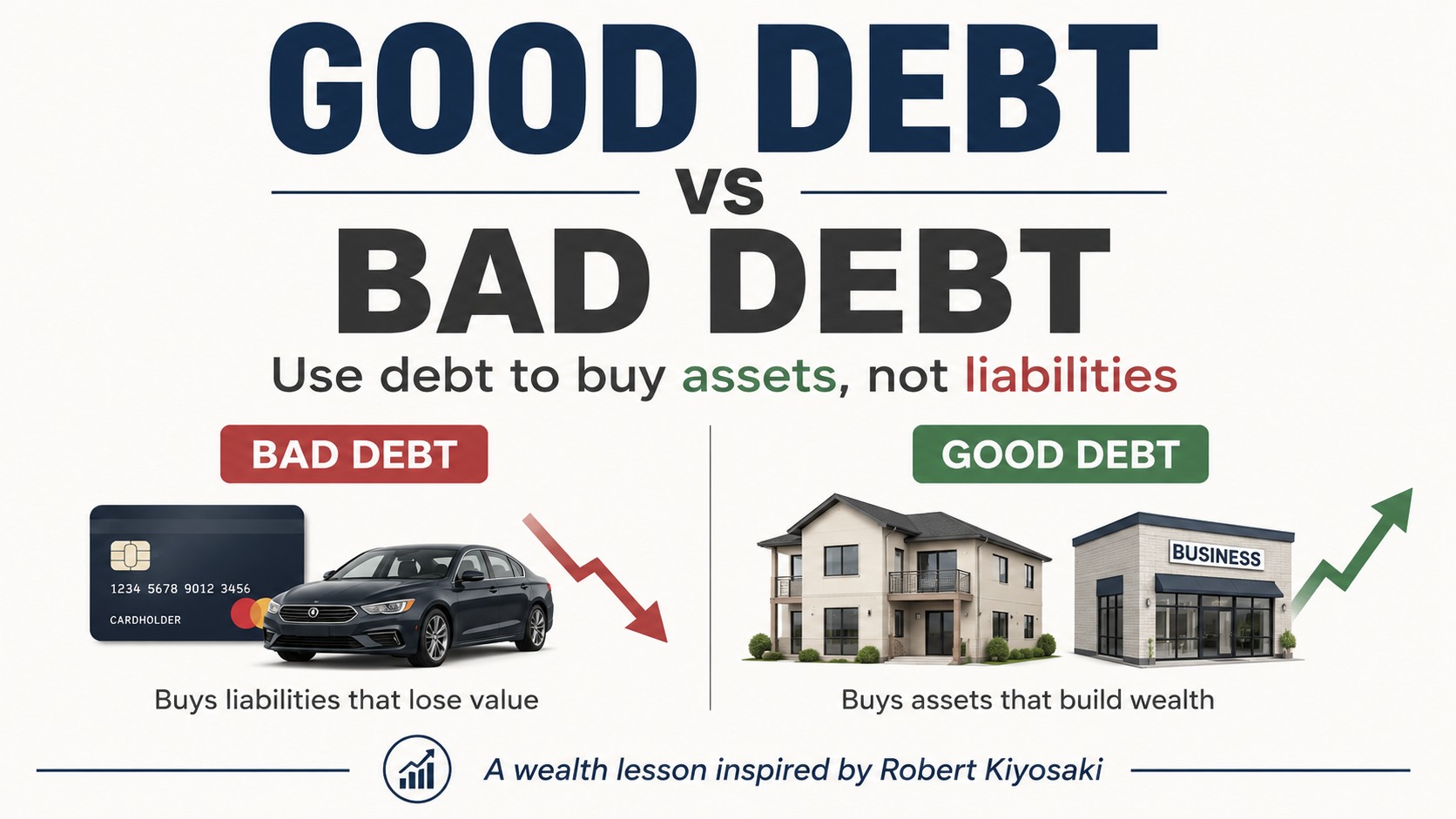
Most people are taught that all debt is bad. Pay off the house. Cut up the credit cards.Never borrow money. Stay debt-free.
How To Help Your Business
Survive A Shaky Economy

A business does not survive by guessing. A business survives by watching cash, protecting customers, cutting waste....
7 Money Moves Every
Small Business Should Make

This is why cash flow management tips matter more in uncertain times. When things get shaky... READ: 7 Money Moves Every Small Business Should Make
Prevent Financial
Statement Fraud Using Ai
The 7 internal controls to prevent fraud (and stop financial statement fraud early).These are the “boring” habits that protect smart
6 Secret Business
Tips

Ever feel like you’re working hard… but the money still feels “mysterious”? But you can’t always tell what’s actually moving the needle?


Disclaimer: The content shared on this blog and in these videos is for informational and educational purposes only. Despite my 30 years of experience as a business owner, I am not a certified financial advisor, accountant, or legal professional. The insights and tips shared are based on personal experiences and should not be taken as professional financial or legal advice. For financial, legal, or professional advice, please consult with a certified professional in the respective field. I disclaim any liability or responsibility for actions taken based on any information found in this blog or these videos.
This is general education only. For tax advice, speak to a qualified tax professional in your country.
Copyright Learn Accounting Fast - All Rights Reserved 2025
Facebook
Instagram
X
LinkedIn
Youtube